The Difference Between Secured and Unsecured Payday Loans

PN

Priya Nadar

Personal Finance Editor · Updated July 2026

Finance Guide
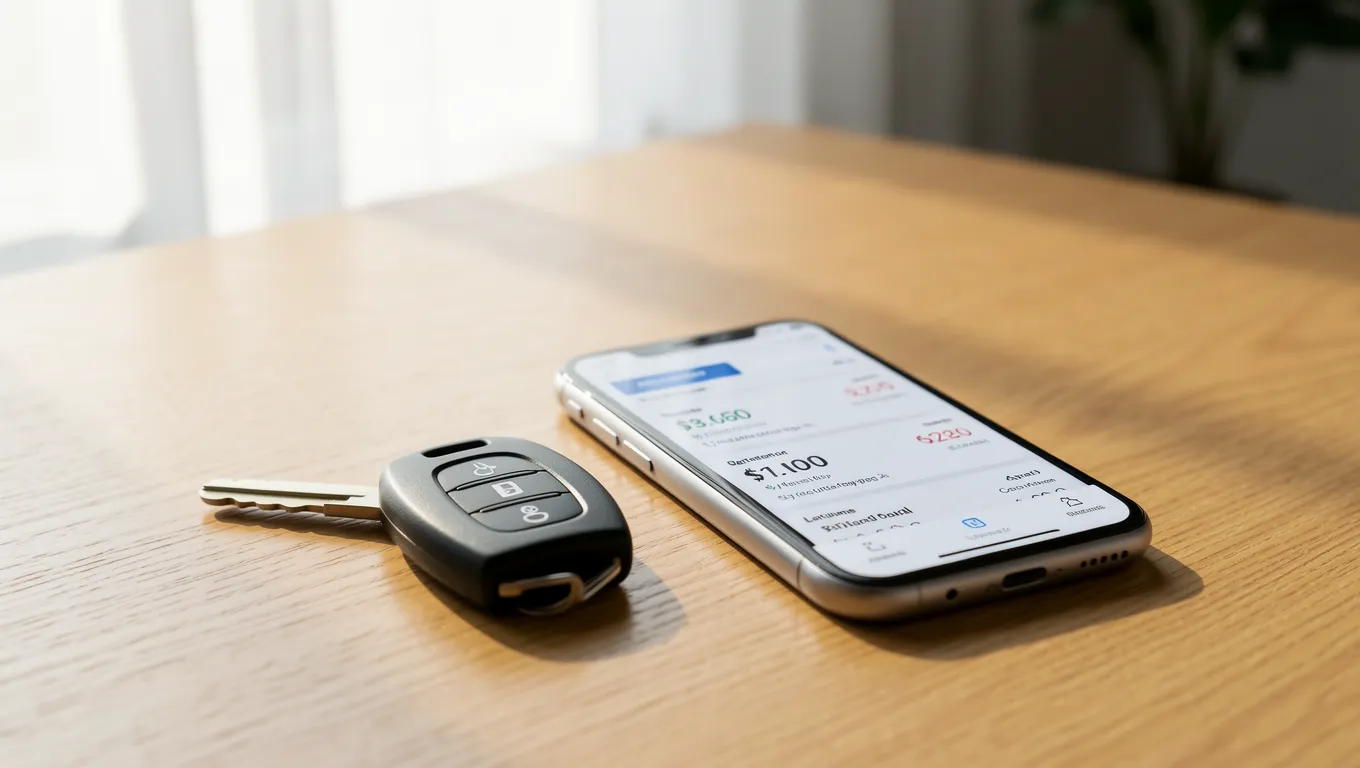
Car keys and a smartphone representing secured and unsecured loan options

Frequently Asked Questions

What is the primary difference between secured and unsecured payday loans? +
The fundamental difference lies in collateral. A secured loan requires you to pledge an asset, such as a vehicle or a bank account, which the lender can seize if you fail to repay. An unsecured loan does not require collateral, meaning your assets are safe from immediate seizure, but the interest rates are typically much higher because the lender is taking on more risk.
Can I lose my car with an unsecured payday loan? +
Directly, no. Since an unsecured loan has no collateral attached to it, a lender cannot simply come and take your car for a missed payment. However, if the lender sues you and wins a court judgment, they may be able to garnish your wages or place liens on your property through legal processes.
Which type of loan is better for my credit score? +
Neither is inherently 'better' for your credit, but they impact it differently. An unsecured loan that goes to collections can severely damage your score for years. A secured loan might leave your credit score intact if the lender seizes the collateral instead of reporting a default, though you will have lost your asset.
Why are interest rates so much higher on unsecured loans? +
Lenders use risk-based pricing to determine interest rates. With an unsecured loan, there is no 'fallback' for the lender if you stop paying, which makes them more likely to default. To compensate for this high risk of loss, lenders charge significantly higher APRs compared to secured loans where they have a guaranteed way to recover their money.
What is a common mistake when taking out these types of loans? +
A very common mistake is failing to understand the total cost of the loan and opting for 'rollovers.' Many borrowers think they are just delaying a payment, but they are actually entering into a new cycle of high-interest debt. Always ensure you can pay the full amount in one single installment to avoid this trap.

Related Pages